

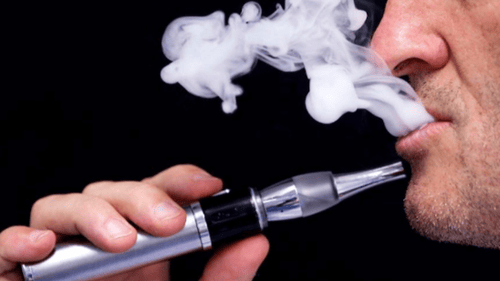
Who invented the e-cigarette and why?
Chinese pharmacist and inventor Hon Lik is credited with inventing the modern electronic cigarette (vape) in 2003. He developed it as a safer, less harmful alternative to traditional cigarettes, aiming to quit smoking after his father died of lung cancer.
But, is it any safer?
At Power Dental Practice, we have our doubts.
According to the American Lung Association, there are over 200 dangerous chemicals in vapes. They include:
- Nicotine – a highly addictive substance that negatively affects adolescent brain development
- Propylene glycol – a common additive in food; also used to make things like antifreeze, paint solvent, and artificial smoke in fog machines
- Carcinogens- chemicals known to cause cancer, including acetaldehyde and formaldehyde
- Acrolein – a herbicide primarily used to kill weeds, can cause irreversible lung damage
- Diacetyl – a chemical linked to a lung disease called bronchiolitis obliterans aka "popcorn lung"
- Diethylene glycol – a toxic chemical used in antifreeze that is linked to lung disease
- Heavy metals such as nickel, tin, lead
- Cadmium – a toxic metal found in traditional cigarettes that causes breathing problems and disease
- Benzene – a volatile organic compound (VOC) found in car exhaust
- Ultrafine particles that can be inhaled deep into the lungs
Source: The American Lung Association
As a result, there is no assurance that they are any safer than regular tobacco, but long-term studies don’t exist yet to prove that conclusively. So, what effects do we know vaping has on the mouth?
1. Dry mouth and reduced saliva flow
Saliva is the number one way we protect our teeth and gums. If we reduce saliva flow we find it harder to swallow and other side-effects which include:
2. Increased tooth decay
Mainly by not neutralizing acids in the mouth that lead to decay
3. Increased gum disease
The chemicals lead to increased gum inflammation which worsens gum disease and can lead to tooth loss.
4. Bad Breath (halitosis)
While they may have appealing flavours, the outcome is Dry mouth, bacterial imbalance, and chemical residue from vaping, which all contribute to persistent bad breath.
5. Delayed healing after extractions and dental surgery
For this reason we urge people not to vape (or smoke) after extractions - it can cause infections or a “dry socket” where the blood clot breaks down and interferes with healing and causes pain.
6. Potentially increased oral cancer risk
While studies are ongoing, there is evidence that many of the chemicals in vapes are linked to cancer in many parts of the body.
So, at Power Dental Practice, we are all for discouraging smoking and vaping. We recommend you get in touch with your GP for ways to quit if you are already in the habit. In any case, regular check ups and cleaning will help prevent decay, gum problems, and our practitioners can give you handy tips on how to reduce the side-effects of vaping or smoking if you’re not ready to quit straightaway.
Give us a call or click here to book an appointment online