Family Dental Care
Family dental care has always been at the heart of Power Dental Practice’s approach to dentistry.
Strong believers in prevention being better than cure, all the Dentists and our Dental Hygienist are keen to see adults and children improve their oral health and maintain it. We have seen again and again that regular visits reduce the need for major dental work.
Your dentist and dental hygienist will be able to advise you on how regularly you will need to visit.
Regular prevention includes:
- Examination of the teeth and gum tissues
- Thorough cleaning of your teeth
- Periodic x-rays of your teeth
Other preventive treatments we frequently carry out are:
- Fluoride application
- Oral hygiene instruction – how to brush and floss well to prevent dental disease
- Fissure sealing of the pits and grooves of the back teeth before they decay
- Custom-fitted sports mouthguards for those in contact sports
Care for anxious patients
We have found that children and the elderly tend to be the most anxious about dental visits. So we encourage more frequent family dental care visits to allow us to offer regular, comfortable preventative dental car. This can avoid the need for difficult dental treatments in future.
To make treatment more pleasant we have happy gas (nitrous oxide) available. We find it very helpful to relax the anxious patient and it is particularly helpful for children.
Nursing home visits
We are so committed to life-long prevention that we have been visiting our patients at home or in Nursing Homes in the area for regular care when they are no longer able to travel to our practice easily.
We have seen genuine improvement in the oral health of those we visit regularly in Nursing Homes and would recommend it to anyone in residential care.
Family dental care is an important focus in our practice. We look forward to your family becoming regulars at our clinic if you are not already.

Frequently Asked Questions
Yes! Many ladies have increased oral hygiene needs while pregnant and need more frequent cleaning of their teeth. It is true that we generally avoid invasive procedures during pregnancy (such as x-rays, carrying out extractions and prescribing medications). However, there is no significant danger in fillings, cleaning and having needles.
This depends on how much risk of dental disease you are at. We like to see children and many adults every 6 months, but some with no problems less frequently. On the other hand, people with active decay or gum disease we prefer to see them every 3-4 months. Ask your dentist for their opinion about you.
The Australian and New Zealand Society for Paediatric Dentistry recommends children first be seen for a screening at 12 months. We agree with this as a good general rule.
Yes, at Power Dental Practice we do the sort of dentistry that lasts a very long time, so we are able to accept new patients regularly.
One of the most common questions we hear from patients is, "How often should I get my teeth cleaned?" The answer to this question can vary depending on a number of factors, including your oral health history, lifestyle habits, and personal preferences. However, there are some general guidelines that can help you determine how often you should schedule a dental cleaning.
For most people, it's recommended to get a dental cleaning every six months. This is because regular cleanings can help prevent the build-up of plaque and tartar, which can lead to tooth decay and gum disease. Additionally, dental cleanings can help detect any potential oral health issues early on, allowing for prompt treatment and prevention of more serious problems.
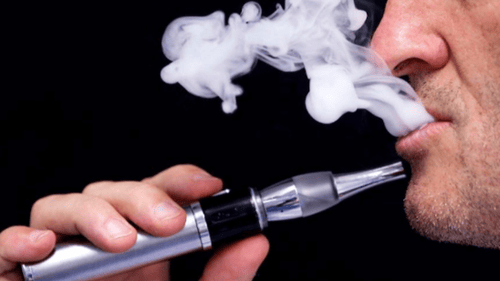
However, some individuals may need to get their teeth cleaned more frequently. For example, if you have a history of gum disease or other oral health issues, your dentist may recommend more frequent cleanings to help manage your condition. Similarly, if you smoke or use tobacco products, you may be at a higher risk for oral health problems and may need more frequent cleanings.
Ultimately, the best way to determine how often you should get your teeth cleaned is to consult with your dentist. They can evaluate your oral health history, lifestyle habits, and current oral health status to make personalised recommendations for your dental care.
At Power Dental, we believe in the importance of regular dental cleanings and check-ups to maintain optimal oral health. Contact us today to schedule your next
Meet Our Doctors:
Dr David Power
General Dentist and Founder
Dr David Power grew up and went to school in the St George area. Graduating from Sydney University with a Bachelor of Dental Surgery in 1986 he started working in ...
Dr Peter Ikonomou
General Dentist
Dr. Peter Ikonomou graduated with a Bachelor of Dental Surgery (BDS) from the University of Sydney in 1987 and has taken additional courses in Orthodontics and Dental mini-Implants, in particular. ...
Dr Jessica Hou
General Dentist
Dr Jessica Hou graduated from the University of Queensland with honours. She started her career in Port Macquarie but has moved back to Sydney after a couple of years to ...
Featured Blog Posts - Family Dental Care
Causes of Bad Breath (Halitosis)
Halitosis, commonly known as bad breath, can affect people of all ages. A lot of our patients at Power Dental Practice come in and ask if we have a cure for their bad breath. While it can be temporary and caused by something as simple as food,a pattern of bad ...
Keeping Oral Appliances clean - dentures, retainers, aligners, night splints
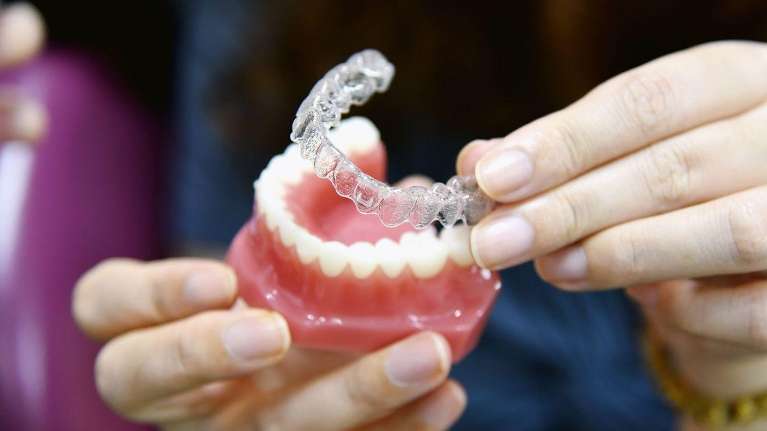
Oral removable appliances—such as retainers, dentures, night guards, snoring devices, and clear aligners—play a crucial role in maintaining dental health, orthodontic results, and bite protection. At Power Dental Practice we believe that keeping these appliances clean is essential to prevent oral infections, bad breath, plaque and tartar buildup, and damage ...
Which toothpaste is the best for me?
There are many types of toothpastes available. Which one is the best for each of us depends on the individual. At Power Dental Practice we will be able to give you a personal recommendation. Here are the main types:
1. Regular adult fluoride toothpaste
This is what we all are used to: ...